A hundred years ago, some dementias turned out to be caused by a missing vitamin. Here is that story, what it means for testing today, and what the trials say about the supplements and foods sold for memory.
Last reviewed
18 min read
22 studies cited
If you suspect food has something to do with memory, history is on your side. In the early 1900s, doctors watched thousands of people lose their minds to diseases that turned out to be nothing more than a missing vitamin. The lesson for families today is practical. Before anyone accepts a dementia diagnosis, the reversible deficiencies should be ruled out.
The dementias caused by a missing vitamin
Between about 1900 and 1950, science proved that some kinds of dementia are purely nutritional and can be reversed. Four stories matter here.
Pellagra and niacin (vitamin B3)
Pellagra was known by its “4 Ds”: dermatitis (a scaly rash), diarrhea, dementia and death. From about 1906 into the 1940s it was an epidemic across the American South, among families living on corn meal, fatback and molasses. Asylums filled with pellagra patients, and deaths ran to the tens of thousands.
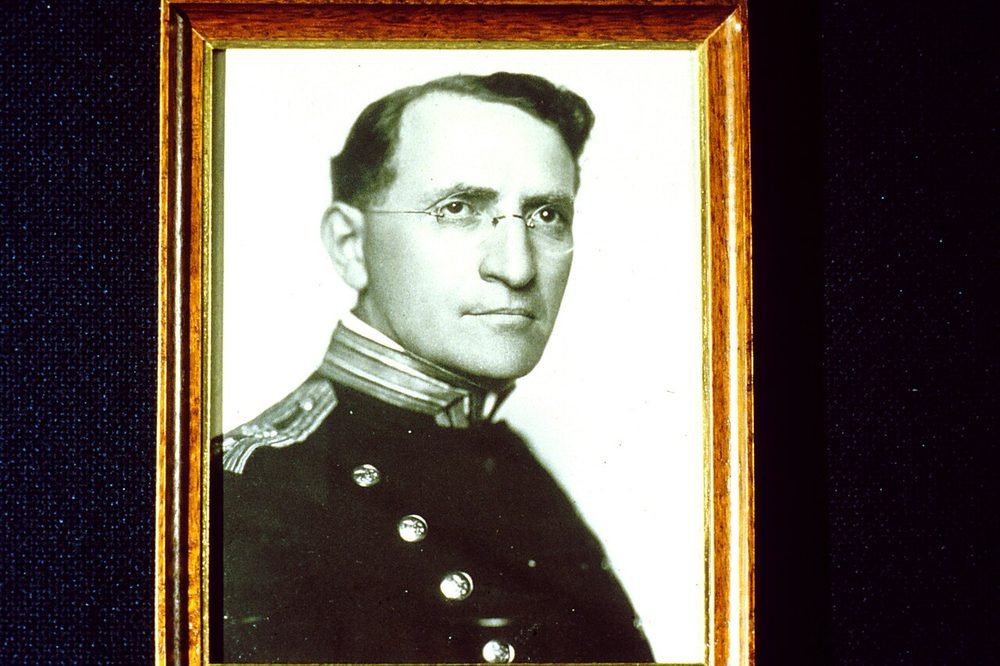
Plate 1.Joseph Goldberger of the US Public Health Service, who showed that pellagra, a cause of dementia, came from diet.Public domainPhotographer unknown, 1914. Via Wikimedia Commons.
Most doctors assumed it was an infection. Joseph Goldberger of the US Public Health Service showed otherwise. In 1915, at the Rankin prison farm in Mississippi, healthy volunteer prisoners fed a corn-heavy diet developed pellagra. Goldberger and his volunteers even swallowed material from patients, in what became known as the “filth parties”, and none of them got sick (read the Science History Institute’s story of Goldberger’s work; read the Science History Institute account). He died in 1929 before the missing nutrient was found. In 1937 Conrad Elvehjem identified it as niacin. Flour began to be enriched with niacin in the early 1940s, and pellagra largely disappeared.
There is an old-food lesson here. In Mexico and Central America, corn was traditionally cooked with lime (an alkali), which releases the niacin bound up in it. The South adopted corn without that step.
Pellagra still happens today, rarely, with heavy drinking, gut problems that block absorption, some drugs such as isoniazid, and severe malnutrition. It is reversible. Niacin is also the starting point for NAD, a molecule behind today’s nicotinamide riboside supplements, covered further down. Pellagra shows that too little niacin harms the brain. It does not show that extra helps someone who isn’t short of it.
Vitamin B12 and pernicious anemia
Pernicious anemia was always fatal until 1926, when George Minot and William Murphy treated it with raw liver. They shared the 1934 Nobel Prize. The missing ingredient, vitamin B12, was isolated in 1948. Doctors noticed early that B12 shortage could cause memory loss and even psychosis, sometimes called “megaloblastic madness”, and that nerve damage can happen without anemia showing up in the blood count.
This one still matters a great deal. About 20% of adults over 60 in the US and UK are short of B12, compared with about 6% of younger adults (read the American Family Physician review of B12 deficiency). The risk rises with age, because the stomach makes less acid, and with:
metformin (a diabetes drug) taken for more than 4 months
acid reducers taken for more than 12 months: proton pump inhibitors such as omeprazole, and H2 blockers such as famotidine
vegan diets, stomach or gut surgery, and pernicious anemia itself
A B12 blood level can look normal in someone whose body is still short. A second test, methylmalonic acid (MMA), is more direct. In trials, high-dose B12 tablets (1–2 mg a day) worked as well as injections, though injections act faster when there are nerve symptoms.
Does B12 reverse dementia? Only when the shortage caused the problem, and only partly if the damage is long-standing. The evidence that B12 deficiency damages nerves and memory is as strong as medicine gets. The evidence for giving B12 to people who aren’t deficient is weak.
Thiamine (vitamin B1) and Wernicke-Korsakoff
In the 1880s and 1890s, doctors in the Japanese navy and the Dutch East Indies linked the disease beriberi to polished white rice. Rice bran prevented it. Christiaan Eijkman shared the 1929 Nobel Prize for that work. Again, industrial milling had stripped out a nutrient that whole grain supplied.
Thiamine shortage in the brain causes Wernicke encephalopathy (sudden confusion, trouble moving the eyes, an unsteady walk) and Korsakoff syndrome (severe memory loss, often with made-up stories filling the gaps). It is best known in heavy drinkers. Older adults can get it without alcohol, through poor eating, repeated vomiting, weight-loss surgery or water pills such as furosemide, which increase thiamine loss. Suspected Wernicke’s is an emergency treated with thiamine through a drip.
Iodine and the thyroid
Iodine shortage in pregnancy once caused severe intellectual disability in children across the US “goiter belt” around the Great Lakes and Appalachia. Iodized salt arrived in Michigan in 1924 and largely ended it.
For older adults, the thyroid link is what matters. An underactive thyroid (hypothyroidism) causes slowed thinking, memory problems and low mood, and it can look like dementia. It is treatable, which is why a thyroid blood test (TSH) is part of a standard memory work-up. Do not reach for kelp or iodine tablets. In older adults they can cause thyroid problems. Test first.
What to ask the doctor for today
These deficiencies cause a small share of dementia in wealthy countries today. But they are among the few causes that can be fully reversed, and the tests are cheap. You can also read about other treatable look-alikes on our getting a diagnosis page.
Blood tests and questions for the memory work-up
Supplements ranked by evidence
This is where marketing and evidence drift furthest apart. The table puts the best human evidence first and flags who paid for it. A maker paying for a study doesn’t make it wrong. It does mean the result needs checking by someone with nothing to gain.
Memory supplements at a glanceStrongest evidence first. “Who paid” is for the best trial listed.
Supplement
Best human evidence
Verdict
Who paid
Daily multivitamin
3 COSMOS studies, thousands of people
Promising
Industry NIH, Mars; tablets from makers
B vitaminsif homocysteine is high
VITACOG, 271 people
Promising
Seller conflict Public; lead author holds patents
B vitaminsfor everyone
11 trials, about 22,000 people
Didn’t work
Public / nonprofit
Fish oil (omega-3)
VITAL and MAPT trials
Didn’t work
Public / nonprofit
Vitamin D
VITAL, 4,218 people
Didn’t work
Public / nonprofit
Cocoa flavanols
COSMOS, 2,262 people
Didn’t work
Industry Mars
Spermidine
SmartAge, 100 people
Didn’t work
Seller conflict
Acetyl-L-carnitine
Cochrane review of 16 trials
Didn’t work
Not reported
Souvenaidmedical food
LipiDiDiet, 311 people; main result null
Too early
Seller conflict Nutricia
MCT oil / Axona
152 people; not significant at 90 days
Didn’t work
Seller conflict Accera
Nicotinamide riboside
37 people, 8 weeks
Didn’t work
Seller conflict ChromaDex supplied
Alpha-GPC
100 people, 12 weeks
Too early
Seller conflict Suheung
Magnesium L-threonate
44 people, 12 weeks
Too early
Seller conflict Neurocentria
Citicoline
Mostly open-label studies (not yet confirmed)
Too early
Not yet confirmed
Phosphatidylserine
Old trials used a form no longer sold (not yet confirmed)
Too early
Not yet confirmed
Probiotics
Small trials; one key trial under an expression of concern
Too early
Not yet confirmed
Creatine
19 people, no placebo
Too early
Public / nonprofit
Herbs such as ginkgo, turmeric, saffron, lion’s mane and huperzine are covered on our traditional medicine page.
B vitamins and homocysteine
Homocysteine is an amino acid in the blood. High levels go with B-vitamin shortage and with brain shrinkage. The Oxford VITACOG trial tested whether folic acid, B12 and B6 could slow that shrinkage in people with mild cognitive impairment.
271 people with mild cognitive impairment (168 completed brain scans)
Length
2 years
Result Folic acid, B12 and B6 slowed brain shrinkage: 0.76% a year vs 1.08% a year on placebo, about 30% slower. In people with high homocysteine (above 13 µmol/L) shrinkage was 53% slower. The trial measured brain scans, not dementia.
Who paid: UK charities, Medical Research Council, NIHR
Conflicts: The lead author is named on University of Oxford patents for folic acid in Alzheimer’s and could benefit financially. Two authors had received past speaking fees from the company that donated the tablets.
A later look at the same trial found the B vitamins only seemed to work when people also had good omega-3 levels from fish or supplements.
Too early2/5Seller conflict
VITACOG follow-up: B vitamins worked only with good omega-3 levels
Oulhaj A et al., Journal of Alzheimer’s Disease 2016 Read the study
Design
Secondary analysis of a randomized trial
People
266 people aged 70+ with mild cognitive impairment (133 per group)
Length
2 years
Result The B-vitamin benefit depended on omega-3 levels at the start. Among people with higher omega-3 levels, 33% on B vitamins showed clinical decline vs 59% on placebo. In people with low omega-3, B vitamins made little difference. This was a look back at an existing trial, so it needs its own test.
Who paid: UK Medical Research Council; Charles Wolfson Charitable Trust; Norman Collisson Foundation; Norwegian Research Council
Conflicts: Co-author A. David Smith is named on the Oxford folic-acid patents disclosed in the 2010 VITACOG paper. We did not read this paper’s own disclosure statement.
Then the wider picture. When 11 trials in ordinary older adults were pooled, B vitamins did nothing for thinking.
Didn’t work4/5Public / nonprofit
B vitamins in the general older population: 11 trials pooled
Clarke R et al., American Journal of Clinical Nutrition 2014 Read the study
Design
Meta-analysis of 11 randomized trials
People
About 22,000
Length
Varied by trial
Result Lowering homocysteine with B vitamins did not slow the aging of thinking in unselected older adults. It did not pick out people with high homocysteine or low B12.
Who paid: British Heart Foundation; UK Medical Research Council; Cancer Research UK; UK Food Standards Agency
Conflicts: Not reported
These results fit together. B vitamins may help the people who need them, those with high homocysteine or low B12, and do little for everyone else. So the sensible step is a blood test, not a bottle. Ask the doctor about checking homocysteine alongside B12.
A daily multivitamin, and cocoa
COSMOS was a large trial that tested a plain multivitamin and a cocoa extract at the same time, in separate comparisons.
Promising3/5Industry
COSMOS: a daily multivitamin
Baker LD et al., Alzheimer’s & Dementia 2022; Yeung LK et al., AJCN 2023 Read the study
Design
Randomized trials (sub-studies of one parent trial)
People
2,262 and about 3,500
Length
2–3 years
Result A basic daily multivitamin modestly improved memory and thinking, about 2 years less cognitive aging when three studies are pooled. All three come from one parent trial, and none measured dementia diagnoses.
Who paid: National Institute on Aging; Mars Edge; Pfizer and Haleon supplied tablets
Conflicts: Mars Edge co-funded COSMOS. The multivitamin makers supplied the tablets.
Didn’t work3/5Industry
COSMOS: cocoa flavanols
Baker LD et al., Alzheimer’s & Dementia 2022; Vyas CM et al., AJCN 2024 Read the study
Design
Randomized trials
People
2,262
Length
2–3 years
Result No benefit to thinking overall, even with funding from a cocoa company. There may be a benefit in people who ate poorly to begin with.
Who paid: Mars Edge (Mars Inc.); NIH
Conflicts: Mars, which sells cocoa-flavanol products, co-funded the trial.
The multivitamin result is modest, and cheap to act on. The trial used an ordinary brand. The cocoa result is a useful reminder that company money does not always produce a positive answer.
Fish oil and vitamin D
Both have been tested in large, publicly funded trials.
Didn’t work4/5Public / nonprofit
VITAL: fish oil and thinking
Kang JH et al., Alzheimer’s & Dementia: TRCI 2022 Read the study
Design
Randomized trial
People
About 3,300 older adults
Length
2–3 years
Result 1 gram of fish oil a day did not slow thinking decline.
Result No benefit to thinking overall. Black participants did slightly better on vitamin D, a subgroup finding that needs testing.
Who paid: National Institutes of Health
Conflicts: Not reported
The observational study below is often quoted online. It is a good example of why trials matter.
Too early2/5Public / nonprofit
Vitamin D users had 40% less dementia
Ghahremani M et al., Alzheimer’s & Dementia: DADM 2023 Read the study
Design
Observational cohort
People
12,388 older adults
Length
10 years
Result People who took vitamin D had fewer dementia diagnoses. Doses weren’t known, and people who take supplements may simply be healthier. The VITAL trial found no effect.
Who paid: University of Calgary; NIA-funded database
Conflicts: Not reported
Eating fish is a different matter from swallowing fish oil. Fish as food is covered in the foods section below.
The supplements sold for the brain
Magnesium, including magnesium L-threonate
Magnesium L-threonate is marketed as the form that reaches the brain. Its human evidence is one small trial run by the company that makes it.
Too early2/5Seller conflict
Magnesium L-threonate (MMFS-01)
Liu G et al., Journal of Alzheimer’s Disease 2016 Read the study
Design
Randomized trial, double-blind
People
51 enrolled, 44 completed
Length
12 weeks
Result Overall thinking scores improved more than on placebo. The company described this as about 9 years of “brain age” reversal, based on comparisons with normal scores. Small, short, and run by the maker.
Who paid: Neurocentria Inc. (the maker)
Conflicts: The maker co-designed the study, took part in the analysis and wrote the paper.
Magnesium causes diarrhea at higher doses and should be avoided in large amounts by people with kidney disease.
Citicoline, alpha-GPC and phosphatidylserine
These are forms of choline or related fats, building blocks for acetylcholine, the brain chemical that Alzheimer’s drugs such as donepezil try to boost.
Too early2/5Seller conflict
Alpha-GPC (choline alfoscerate) in mild memory loss
Randomized trial, BMC Geriatrics 2024 (Korea) Read the study
Design
Randomized trial
People
100 people with amnestic MCI
Length
12 weeks
Result 600 mg a day improved a thinking test (ADAS-Cog) by 2.34 points vs 0.97 on placebo, a just-significant difference.
Who paid: Suheung (maker of the product used)
Conflicts: Supported by the manufacturer, although the authors declared no competing interests.
A Korean health-records study reportedly linked alpha-GPC use to a higher risk of stroke. That has not yet been confirmed.
Citicoline has been studied mostly in Italy. A 2023 review reported a favorable effect in mild memory loss, but the studies are reported to be mostly open-label (everyone knew who got what) and often sponsored by the maker. We could not confirm the details.
Phosphatidylserine is reported to have had its positive early trials with a version made from cow brain, withdrawn over mad-cow fears. Trials of today’s soy-based version are reported to be largely null. We could not confirm these details either, so treat both as unconfirmed.
Acetyl-L-carnitine
Didn’t work3/5Public / nonprofit
Acetyl-L-carnitine for dementia: Cochrane review
Hudson S, Tabet N, Cochrane Database of Systematic Reviews 2003 Read the study
Design
Systematic review of 16 double-blind trials
People
Not reported
Length
Varied by trial
Result No evidence of benefit on dementia severity, daily function or clinicians’ overall impression. The few positive results were likely due to chance. The review found no reason to recommend routine use.
Who paid: Not reported (Cochrane review)
Conflicts: Not reported
Nicotinamide riboside (NAD boosters)
These build on the pellagra story above. Niacin makes NAD, and NAD falls with age. The first placebo-controlled trial in people with memory complaints did not improve memory.
Didn’t work2/5Seller conflict
Nicotinamide riboside (an NAD booster)
Wu et al., Alzheimer’s & Dementia: TRCI 2025 Read the study
Design
Randomized crossover
People
37 completers with memory complaints or MCI
Length
8 weeks per phase
Result No benefit to thinking. A blood marker of Alzheimer’s (pTau217) fell about 7% on the supplement and rose 18% on placebo, and step counts rose. A blood marker is not the same as better memory.
Who paid: Challenger Foundation; McCance Center
Conflicts: ChromaDex supplied the supplement. A co-author is reported to hold ChromaDex equity and consult for the company (not yet confirmed).
Result No effect on memory or on biomarkers compared with placebo.
Who paid: German Federal Ministry of Education and Research; German Research Foundation (DFG); product from The Longevity Labs
Conflicts: The Longevity Labs supplied the extract. Several authors held equity in or advised the company.
Creatine
Too early1/5Public / nonprofit
Creatine in Alzheimer’s: a first pilot
Smith AN et al., Alzheimer’s & Dementia: TRCI 2025 Read the study
Design
Single group, no placebo
People
19 people with Alzheimer’s
Length
8 weeks
Result 20 g a day raised brain creatine by 11%, with some gains on memory tests. Without a placebo group, this is a starting point only.
Who paid: KU Alzheimer’s Disease Research Center
Conflicts: Not reported
Probiotics
Several pooled reviews report small gains on memory tests from probiotics in mild memory loss and Alzheimer’s, based on a handful of small trials, mostly from Iran and elsewhere in Asia. We could not confirm those reviews’ figures. One widely cited trial in the pool, Akbari and colleagues’ 2016 probiotic study in Alzheimer’s, now carries a formal expression of concern from its journal, a warning that questions have been raised about it (read the expression of concern notice). Reviews that include it should be read with that in mind. Probiotics are generally safe, but they should be avoided by people with a badly weakened immune system or a central IV line.
Medical foods: Souvenaid and MCT oil
A medical food is a product sold for a disease without going through drug approval. Two have been marketed for Alzheimer’s.
Too early3/5Seller conflict
Souvenaid (Fortasyn Connect) in very early Alzheimer’s: LipiDiDiet
Soininen H et al., Alzheimer’s & Dementia 2021 Read the study
Design
Randomized trial with extended follow-up
People
311 with prodromal Alzheimer’s (only 81 in the 36-month analysis)
Length
36 months
Result The main 24-month result, published in 2017, was null. With longer follow-up, the 36-month test battery favored the drink (the paper reports 60% less decline), with 45% less worsening on a dementia rating and 33% less hippocampus shrinkage. Heavy dropout weakens the later result.
Who paid: EU FP7 for the first phase; Danone Nutricia Research (the maker) funded months 25–96
Conflicts: The statistician was paid by Nutricia. The maker funded the follow-up that produced the positive results.
An earlier Souvenaid trial in mild Alzheimer’s (Souvenir II, sponsored by Nutricia, with company employees among the authors) reported a gain on a memory measure. We could not confirm its full results.
MCT oil is a purified fat that the liver turns into ketones, an alternative fuel for brain cells. The idea is that ketones might feed a brain that struggles to use sugar.
Didn’t work2/5Seller conflict
Axona (MCT medical food) in mild-to-moderate Alzheimer’s
Henderson ST et al., Nutrition & Metabolism 2009 Read the study
Design
Randomized trial
People
152 randomized, 140 analyzed
Length
90 days
Result A 1.9-point gain on a thinking test (ADAS-Cog) at day 45, but not a significant one at day 90 in the full group. People without the APOE4 gene did better (3.36 points at day 90). Diarrhea 24% vs 14%; 23% vs 6% dropped out for side effects. Benefits faded after a two-week break.
Who paid: Accera (the maker)
Conflicts: Accera funded the study, designed the protocol and ran or commissioned the analysis.
A larger follow-up trial of a new version was reported to have failed in 2017, and a Canadian trial of an MCT drink in mild memory loss reported some memory gains. We could not confirm the details of either.
Claim check
Too early
What’s being said
“Coconut oil can bring memory back in Alzheimer’s.”
Common forum and blog claim, based on Dr. Mary Newport’s 2008 account of her husband Steve and her 2011 book
What the studies actually show
Dr. Newport’s story is sincere and has been shared widely on caregiver forums. It is one person’s experience. Coconut oil contains only a small share of the shorter fats that produce most ketones, and it raises LDL cholesterol. The company-funded Axona trial of purified MCT oil missed its 90-day goal in the full group. No good trial of coconut oil for dementia exists.
Foods
Almost all the food evidence comes from observational studies. They show that people who eat a certain way get dementia less often. They can’t prove the food is the reason, because people who eat well tend to live well in other ways too. The one diet tested head to head, MIND, came back null; read the details on our lowering your risk page.
Result 2–3 cups of coffee plus 2–3 cups of tea a day went with 28% lower dementia risk than neither. Moderate amounts looked best. There was no link with Alzheimer’s specifically, only with dementia overall and vascular dementia.
Who paid: National Natural Science Foundation of China
Conflicts: None declared
Green tea has encouraging cohort studies from Japan, but there is no long-term trial for dementia prevention. In a trial of a green tea extract (EGCG) in adults with Down syndrome, supported by the supplement seller Life Extension, only 3 of 24 thinking tests improved (read the Alzheimer’s Drug Discovery Foundation summary of EGCG). Brewed tea is fine. Concentrated extracts at high doses can harm the liver.
Berries and flavonoids
Flavonoids are plant compounds found in berries, citrus, apples and many vegetables. The largest study to date followed more than 77,000 health professionals.
Result People eating the most flavonoids had about 19% lower odds of reporting memory decline. Strawberries, oranges, peppers, celery, apples, pears and blueberries were top sources. The outcome was self-reported, not diagnosed dementia.
Who paid: National Institutes of Health
Conflicts: Not reported
Blueberries get special attention. Several small blueberry trials report gains on some memory tasks, but they are small and the effects are inconsistent. Most were funded or supplied by the US Highbush Blueberry Council or the Wild Blueberry Association of North America, and the Council promotes the research to health professionals. The Council also gave monthly blueberry rebates to the coached group in the US POINTER trial. Berries are good food. The case that they protect memory is not settled.
Olive oil
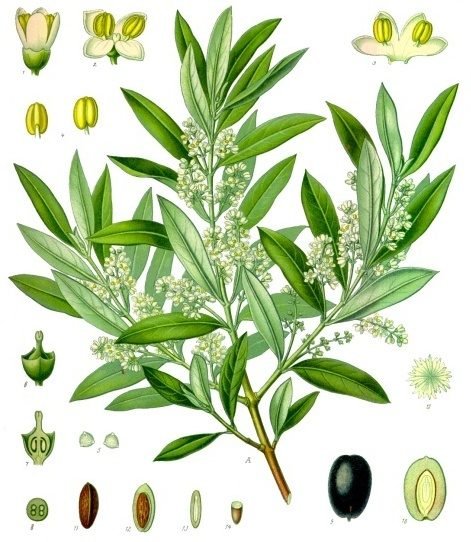
In the Spanish PREDIMED trial, a Mediterranean diet with extra olive oil improved some thinking scores. The oil was donated by producers, and the parent trial had to be retracted and republished over randomization problems. A large US cohort from the Nurses’ Health Study and a companion study of male health professionals linked regular olive oil use to a lower risk of dying with dementia (read the National Institute on Aging summary). We could not confirm the exact figures.
Eggs and choline
A 2024 analysis from the Rush Memory and Aging Project linked eating more than one egg a week with less Alzheimer’s, partly through choline, a nutrient eggs are rich in (read the eggs and Alzheimer’s study). The American Egg Board publicized it heavily. We could not confirm the study’s figures or whether the egg industry helped pay for it. Choline supplements can cause a fishy body odor.
Result Eating nuts daily went with 12% lower dementia risk. About one handful (30 g) looked best, and unsalted beat salted.
Who paid: Not yet confirmed
Conflicts: Not reported
A two-year walnut trial in Spain funded by the California Walnut Commission is reported to have found no overall benefit to thinking; we could not confirm it. In late-stage dementia with swallowing problems, whole nuts are a choking risk. Smooth nut butters are safer.
Fish
Eating fish regularly is linked in cohort studies to better brain health, and some researchers think the effect depends on the APOE4 gene. The studies disagree on which group benefits, so that question is open. Choose lower-mercury fish.
Result People eating the most leafy greens (about 1.3 servings a day) declined at a rate equal to being about 11 years younger than those eating almost none (0.09 servings a day).
Who paid: National Institute on Aging
Conflicts: Not reported
People on warfarin should keep their greens steady from week to week rather than avoiding them. Vitamin K in greens affects warfarin, and sudden changes are the problem. Newer blood thinners such as apixaban are not affected.
Plate 2.The olive tree, from Köhler’s Medizinal-Pflanzen.Public domainFranz Eugen Köhler, Köhler’s Medizinal-Pflanzen, 1897. Via Wikimedia Commons.
Fasting, sugar and keto
Fasting and eating less
Didn’t work3/5Public / nonprofit
CALERIE 2: eating less for two years
CALERIE 2 secondary analysis, Journal of NutritionRead the study
Design
Randomized trial (secondary analysis)
People
Healthy, non-obese adults aged 21–50
Length
2 years
Result Aiming to eat 25% fewer calories did not improve working memory compared with eating normally. Both groups improved with practice.
Who paid: National Institute on Aging; NIDDK
Conflicts: Not reported
There are no dementia trials of intermittent fasting. Fasting can be risky for frail older adults and anyone with dementia. It can cause weight and muscle loss, low blood sugar in people on insulin or sulfonylureas, and dehydration. Unplanned weight loss is itself a warning sign in dementia. It is not advised for someone who already has the disease.
Sugar and insulin resistance
Diabetes is on the Lancet list of risk factors, and a 2024 review found people with diabetes had a 65% higher chance of Alzheimer’s (read the 2024 review on diabetes and Alzheimer’s). Some call Alzheimer’s “type 3 diabetes”. That label is debated. A large Seattle-area study also linked higher blood sugar to dementia in people without diabetes (read the blood sugar and dementia study); we could not confirm its exact figures. None of this yet shows that cutting sugar prevents dementia, though it is good for blood sugar and weight.
A ketogenic diet
Too early2/5Funder not confirmed
Modified ketogenic diet in Alzheimer’s
Phillips MCL et al., Alzheimer’s Research & Therapy 2021 Read the study
Design
Randomized crossover (each person tried both diets)
People
26 people with Alzheimer’s
Length
Two 12-week periods
Result Thinking scores did not change significantly. Daily-living skills and quality of life improved on the ketogenic diet.
Who paid: Not yet confirmed
Conflicts: Not reported
A strict ketogenic diet is hard to keep up, and it is a big change for an older person who may already be eating poorly. Ask the doctor or a dietitian before trying it.
Safety and interactions
Supplements and foods to check with the doctorNot a complete list. Always tell the prescriber.
Supplement or food
Take care with
Huperzine A
Donepezil, rivastigmine or galantamine (side effects add up); slow heart rate; epilepsy; asthma or COPD
Alzheimer’s drugs such as donepezil (effects add up)
Magnesium
Kidney disease. Take 2–4 hours apart from some antibiotics, thyroid tablets (levothyroxine) and bone drugs (bisphosphonates)
High-dose fish oil
Blood thinners (slight bleeding risk)
Green tea extract (EGCG)
Liver disease; high doses can harm the liver
Coffee and caffeine
Ciprofloxacin and fluvoxamine raise caffeine levels; caffeine raises clozapine and theophylline levels
Leafy greens
Warfarin: keep intake steady, don’t avoid
MCT or coconut oil
Liver disease; start with a small amount (diarrhea is common); coconut oil raises LDL cholesterol
Probiotics
Severely weakened immune system; central IV lines
Fasting
Insulin or sulfonylureas; frailty; existing dementia
High-dose folic acid
Can hide B12 deficiency; test B12 first
Iodine or kelp tablets
Can cause thyroid problems in older adults
Spermidine (wheat germ)
Celiac disease (contains gluten)
For the full picture on herbs, including ashwagandha and gotu kola liver warnings, read our traditional medicine page.
A pattern in who paid
Look down the supplement table and a pattern appears. The trials paid for with public money, such as VITAL, the pooled B-vitamin trials, CALERIE, SmartAge’s government funding and the first two years of LipiDiDiet, mostly came out null. The strongest positive results tend to come from small, short or company-supported studies. That doesn’t prove bias. It is exactly the pattern worth watching for. Read more on our follow the money page.
Words used on this page
Methylmalonic acid (MMA)
A substance that builds up in the blood when the body is short of B12. It can show a shortage when the B12 level itself looks normal.
Homocysteine
An amino acid in the blood. High levels can mean too little B12, folate or B6, and go with heart disease and brain shrinkage.
Mild cognitive impairment (MCI)
Memory or thinking problems that can be measured but don’t yet stop someone managing daily life.
Medical food
A US category for products meant to meet the nutritional needs of a disease, used under a doctor’s supervision. They don’t go through drug approval.
Observational (cohort) study
Researchers follow a large group over time and see who gets ill. It shows links, not cause and effect.
APOE4
A common version of a gene that raises the risk of Alzheimer’s. Carrying it does not mean someone will get the disease.