The scientists and doctors whose names you will see in the news, what they have found, where they stand, and who pays them. Plus how to find the right specialist near you.
Last reviewed
14 min read
24 people profiled
When a headline says “scientists found,” it helps to know who the scientists are. This directory covers the researchers behind the big trials, the watchdogs who check their work, and the popular doctors who sell programs and books. Every entry lists commercial ties we could confirm. Where we could not confirm something, we say so.
How to read this directory
Each person gets a stance tag. These describe where someone works, not whether they are right.
Mainstream works inside conventional research and medicine: university labs, NIH-funded trials, drug trials.
Integrative promotes lifestyle, functional or multi-part programs, often sold commercially and often ahead of trial evidence.
Skeptic is known for checking other people’s work: trial methods, data integrity or hype.
“Conflicts” lists only ties we found in sources we opened. “None found” means exactly that. It does not mean none exist. Roles and ties change, so each entry is dated to this page’s review date.
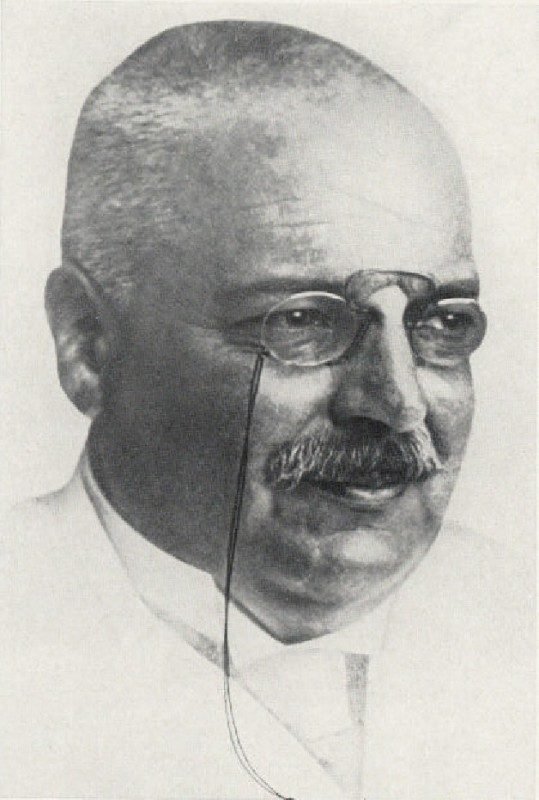
Plate 1.Alois Alzheimer (1864–1915), the German psychiatrist who first described the disease.Public domainPhotographer unknown, before 1915. Via Wikimedia Commons.
Mainstream researchers and clinicians
Causes, genes and biology
RT
Rudolph E. Tanzi, PhD
Geneticist · Harvard Medical School, Massachusetts General Hospital
Mainstream
Helped discover the genes behind inherited early-onset Alzheimer’s and led the Alzheimer’s Genome Project. Directs the Genetics and Aging Research Unit at Mass General and chairs the Cure Alzheimer’s Fund research leadership group. Also co-writes popular wellness books with Deepak Chopra.
Key studies
“Alzheimer’s in a dish,” a 3D human nerve-cell culture showing amyloid drives tangles (Nature 2014), described on his Mass General profile
Conflicts: Co-founder of Prana Biotechnology (an Alzheimer’s drug company). Founding chair of the scientific advisory board of Amylyx Pharmaceuticals. Involved with AZTherapies. Not a practicing clinician.
BY
Bruce A. Yankner, MD, PhD
Brain-aging scientist · Harvard Medical School
Mainstream
Led the 2025 “Harvard lithium study,” which found low lithium in brains with memory loss and prevented disease in mice. He has said people should not take lithium compounds on their own until human trials are done.
Conflicts: None reported in the sources we read. Patent status not yet confirmed.
LT
Li-Huei Tsai, PhD
Neuroscientist · Director, Picower Institute for Learning and Memory, MIT
Mainstream
Pioneered 40 Hz flickering light and sound, which cut amyloid in mice. Human results are early. In a 2025 follow-up of 5 people who used the device for about 2 years, 3 did better than comparison records and 2 did not.
Conflicts: Co-founded Cognito Therapeutics (2016), which is developing a 40 Hz device that received FDA Breakthrough Device designation in 2021.
Diagnosis, trials and new drugs
RS
Reisa Sperling, MD
Neurologist · Harvard Medical School, Brigham and Women’s Hospital
Mainstream
Leads prevention trials that give anti-amyloid drugs to people with amyloid in the brain but no symptoms yet. Directed the Center for Alzheimer Research and Treatment at Brigham and Women’s as of 2023.
Conflicts: A4 was funded by the National Institute on Aging, Eli Lilly, the Alzheimer’s Association and others. AHEAD is run with Eisai. Personal consulting: not yet confirmed.
RB
Randall J. Bateman, MD
Neurologist · Washington University in St. Louis
Mainstream
Developed the first high-precision blood test for brain amyloid (2017) and a method for measuring how fast the brain makes and clears proteins. Leads the DIAN trials unit, which tests drugs in families with inherited Alzheimer’s. Sees patients at the university’s Memory Diagnostic Center.
Conflicts: Scientific co-founder of C2N Diagnostics, which sells the PrecivityAD blood tests. Holds 47 active or pending patents.
JC
Jeffrey Cummings, MD, ScD
Drug-development expert · University of Nevada, Las Vegas
Mainstream
Publishes the yearly count of Alzheimer’s drugs in human trials. His university reports that the 2026 edition counted 192 trials of 158 drugs, up from 182 trials of 138 drugs in 2025.
Conflicts: Not yet confirmed. His pipeline papers carry disclosure sections; read them before relying on his view of a specific drug.
MS
Marwan Sabbagh, MD
Neurologist · Barrow Neurological Institute, Phoenix
Mainstream
A clinical Alzheimer’s specialist who has led more than 100 clinical studies, written 400-plus papers and six books, and edits the journal Neurology and Therapy. Accepting new patients at Barrow as of this review.
Conflicts: As a trial leader he works with drug-company sponsors. Specific consulting: not yet confirmed.
HF
Howard Fillit, MD
Geriatrician · Co-founder, Alzheimer’s Drug Discovery Foundation
Mainstream
Co-founded the ADDF and is now its chief science officer emeritus. The foundation funds early drug programs and publishes the free Cognitive Vitality ratings of supplements and drugs, which we recommend on our alternative programs page.
Conflicts: The ADDF funds drug development, often by investing in companies. Specific holdings: not yet confirmed.
Prevention and lifestyle
MK
Miia Kivipelto, MD, PhD
Prevention researcher · Karolinska Institutet; reported to have joined Yale in 2025
Mainstream
Led FINGER, the Finnish trial showing that a combined program of diet, exercise, brain training and heart-risk checks helped preserve thinking in at-risk older adults. Created the CAIDE dementia risk score and founded the World Wide FINGERS network. Her Wikipedia entry says she has held professorships at Yale since March 2025; we have not confirmed this on a Yale page.
Conflicts: None found in the sources we read. Not yet confirmed either way.
LB
Laura D. Baker, PhD
Gerontologist · Wake Forest University School of Medicine
Mainstream
Led U.S. POINTER, the American version of FINGER. In 2,111 older adults over 2 years, both a structured and a self-guided lifestyle program improved thinking, and the structured one helped more.
Conflicts: None found. U.S. POINTER was funded mainly by the Alzheimer’s Association.
KY
Kristine Yaffe, MD
Psychiatrist, neurologist and epidemiologist · UC San Francisco
Mainstream
Studies which everyday risk factors (sleep, blood pressure, head injury, activity) drive dementia. Her work suggests 30% to 40% of dementia risk may be preventable. Directs UCSF’s Center for Population Brain Health; more than 700 papers.
Conflicts: None found in the page we read. Not yet confirmed.
FL
Frank R. Lin, MD, PhD
Ear specialist and epidemiologist · Johns Hopkins (on leave)
Mainstream
Showed that hearing loss is a major dementia risk factor and led the ACHIEVE trial of hearing care. The Johns Hopkins Cochlear Center page says he has been on professional leave from the university since September 2025. His current role is not yet confirmed.
Conflicts: Not yet confirmed. Check Open Payments.
DS
A. David Smith, DPhil
Pharmacologist · University of Oxford (emeritus)
Mainstream
Led VITACOG, which found B vitamins slowed brain shrinkage in people with mild memory loss, most of all in those with high homocysteine. He argues for homocysteine-lowering more strongly than most guidelines do.
Conflicts: Named inventor on two University of Oxford patents on folic acid for Alzheimer’s, from which he could benefit. Has received speaking fees from the company that donated the trial vitamins and from a maker of homocysteine test equipment (as stated in the VITACOG paper).
LM
Lisa Mosconi, PhD
Neuroscientist · Weill Cornell Medicine
Mainstream
Studies Alzheimer’s risk in women, including brain changes around menopause. Directs Weill Cornell’s Alzheimer’s Prevention Program and Women’s Brain Initiative, and leads a $50 million women’s-brain program at Wellcome Leap. Author of The Menopause Brain and The XX Brain. Not a medical doctor.
Conflicts: Book income. None else found.
Research center leaders near our readers
AJ
Angela L. Jefferson, PhD
Professor of neurology · Director, Vanderbilt Memory and Alzheimer’s Center, Nashville
Mainstream
Leads Tennessee’s first NIH-funded Alzheimer’s Disease Research Center, which won a five-year, $25 million federal grant in July 2025.
Conflicts: None found.
RS
Russell Swerdlow, MD
Neurologist · Director, University of Kansas Alzheimer’s Disease Research Center
Mainstream
Directs the KU center (co-director Jeffrey Burns, MD), the nearest confirmed research center for central Nebraska.
Conflicts: Not yet confirmed.
Watchdogs and skeptics
MS
Matthew Schrag, MD, PhD
Neurologist · Vanderbilt Memory and Alzheimer’s Center
Skeptic
Treats dementia patients and runs a lab. He flagged apparent image manipulation in about 20 papers by another researcher, including a 2006 Nature paper on a form of amyloid called Aβ*56. Science reported his findings in July 2022. Read more on our follow-the-money page.
Conflicts: Earlier reviewed Cassava Sciences’ research as a paid consultant ($18,000) to an attorney. He says he did the image work on his own.
JH
Joanna Hellmuth, MD, MHS
Neurologist · UCSF Memory and Aging Center
Skeptic
Wrote the best-known review of the Bredesen protocol’s evidence. She found the case series had no controls or randomization, left out people who didn’t improve, and appeared in journals with little oversight.
These are the doctors behind many bestselling books and online programs. Their approaches, and what the evidence says about them, are covered in more depth on our alternative programs page.
DB
Dale E. Bredesen, MD
Neurologist · Chief science officer, Apollo Health
Integrative
Created the ReCODE (“Bredesen”) protocol, a personalized plan of diet, sleep, exercise, supplements and hormone work. Trained at Duke and UCSF, held faculty posts at UCSF, UCLA and UC San Diego, and was founding president of the Buck Institute. Author of The End of Alzheimer’s.
A 2025 randomized trial, posted as a preprint and not yet peer reviewed
Conflicts: Apollo Health sells PreCODE and ReCODE plans, blood testing, meal kits and practitioner certification. Holds more than 30 patents and earns book income. Apollo says its conflicts are properly disclosed.
DO
Dean Ornish, MD
Physician · Preventive Medicine Research Institute; clinical professor, UCSF
Integrative
Known for a lifestyle program that reversed heart disease in trials and is covered by Medicare as cardiac rehab. In 2024 he published the only randomized trial of an intensive lifestyle program in early Alzheimer’s.
Conflicts: Holds equity in Ornish Lifestyle Medicine, which sells the program. The trial paper says its sponsors had no role.
DS
Dean Sherzai, MD, PhD, and Ayesha Sherzai, MD
Neurologists · Loma Linda University Medical Center (self-described; current role not yet confirmed)
Integrative
Promote plant-based eating, exercise, stress reduction, sleep and mental activity for prevention through their NEURO Resolution program. Each part fits mainstream risk-factor evidence. We found no trial of the program as a whole.
Conflicts: Sell books, courses and programs through Team Sherzai. Prices not yet confirmed.
DP
David Perlmutter, MD
Neurologist and author
Integrative
Board-certified neurologist and author of Grain Brain, Brain Maker, Drop Acid and Brain Defenders. Recommends low-carb eating, avoiding gluten and lowering uric acid. Other doctors, including David Katz, have said his conclusions go well beyond the evidence. We found no peer-reviewed Alzheimer’s trials of his approach.
Conflicts: Book income; his site links recommended products. Director of neuroscience research at Bryan Therapeutics.
DA
Daniel G. Amen, MD
Psychiatrist · Founder and CEO, Amen Clinics
Integrative
Board-certified psychiatrist whose 12 U.S. clinics use SPECT brain scans. Author of more than 30 books and several PBS specials. The American Psychiatric Association says brain imaging is not accurate enough to classify individual patients. A Society of Nuclear Medicine expert has said SPECT is of no value for diagnosing psychological disorders.
Conflicts: Owns Amen Clinics (scan evaluations about $4,000 as of 2020) and BrainMD, which sells supplements.
We have left out Richard Isaacson, a well-known preventive neurologist, until we can confirm his current role, studies and ties. His approach is described on our alternative programs page.
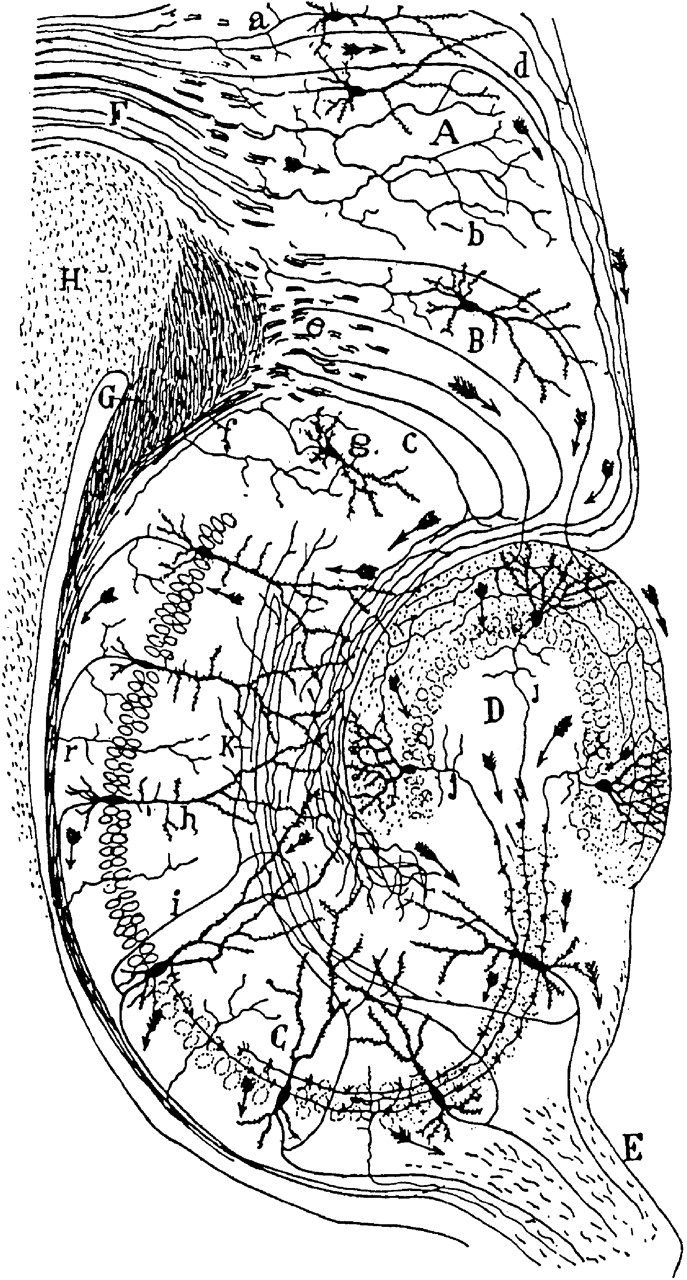
Plate 2.The hippocampus, the brain’s memory hub and one of the first areas Alzheimer’s damages, drawn by Santiago Ramón y Cajal.Public domainSantiago Ramón y Cajal, 1911. Via Wikimedia Commons.
Which specialist to see
This table is general guidance, not advice for any one person. Your mother’s primary-care doctor can help decide who she should see first. Many specialists need a referral.
Who does whatGeneral guidance. Local practice varies.
Specialist
Best for
NeurologistIdeally a “behavioral” or “cognitive” neurologist
Finding the cause of memory loss, early-onset or unusual cases, movement symptoms. Orders brain scans, spinal fluid and blood biomarker tests. Decides on and monitors anti-amyloid drugs such as lecanemab and donanemab.
Geriatric psychiatrist
Depression, anxiety, agitation, hallucinations, sleep and behavior changes. Telling depression apart from dementia. Managing medicines for behavior.
Geriatrician
Older adults with several conditions and many medicines. Overall care planning. Often the long-term coordinator.
NeuropsychologistPhD, not a medical doctor
Detailed pen-and-paper testing of which thinking skills are affected. Sets a baseline to track change.
Primary-care doctor
First screening, blood tests for treatable causes such as low B12 or thyroid problems, referrals, and the yearly Medicare wellness visit memory check.
A hospital memory clinic often puts several of these under one roof, with social workers too. Our getting a diagnosis page covers the tests themselves.
Your first appointment
Before and during the first specialist visit
For a fuller plan of the weeks after a diagnosis, see the first 30 days. To talk to someone now, see our helplines.
Research centers (ADRCs)
The National Institute on Aging funds Alzheimer’s Disease Research Centers at universities around the country. The government’s Alzheimers.gov site says there are more than 30. The national data center that collects their data lists 37 centers in 25 states, which may include smaller exploratory centers.
An ADRC is a research program, not a regular clinic. Centers generally offer research-grade evaluations, entry into studies and clinical trials, brain-donation programs, and education for families. Many sit alongside a university memory clinic that takes ordinary referrals. Ask each center what it offers, since this varies.
Vanderbilt ADRCVanderbilt Memory and Alzheimer’s Center; Tennessee’s first ADRC
Nashville, Tennessee
Southeast Tennessee, roughly 130 miles from Chattanooga
Alabama ADRCUAB Frances Gorrie Alzheimer’s Disease Center
Birmingham, Alabama
Southeast Tennessee, roughly 145 miles from Chattanooga
We did not find an ADRC in Nebraska. Families in southeast Tennessee should also check the NIA list for centers in Georgia, which we could not confirm.
Words used on this page
ADRC
Alzheimer’s Disease Research Center: a university research program funded by the National Institute on Aging.
Amyloid
A sticky protein that clumps into plaques between nerve cells in Alzheimer’s.
Biomarker
Something measurable in blood, spinal fluid or a scan that signals a disease process, such as amyloid build-up.
ARIA
Amyloid-related imaging abnormalities: brain swelling or small bleeds seen on MRI, a known side effect of anti-amyloid drugs.